
Video Marketing: The Ultimate Guide—Tips to Grow Your Business
Table of Contents
Video content has transformed from a marketing luxury into an absolute business necessity. When launching a campaign, you aim to engage as many potential customers as possible to successfully promote your brand, product, or service. Statistics demonstrate that the engagement rate for visuals, especially video, significantly surpasses that for text or audio content.
An incredible 92% of customers now report engaging with branded video monthly, yet only a fraction of businesses have tapped into video’s immense potential for awareness, lead generation and conversions. The reason? Most assume video production seems too complex, expensive and labour-intensive to implement at scale.
However, advancing technology and proven best practices make high-impact video marketing accessible in 2025, even with modest budgets. This comprehensive guide will show you how to develop, produce and measure video content that drives real business results.
Why Video Marketing Matters
Video content grabs attention and drives action unlike any other medium. Your customers are 70-85% more likely to purchase after watching a video about your product or service. This isn’t just about entertainment—it’s about creating meaningful connections that translate directly into business growth.
Works Wonders for SEO
Posting videos on YouTube delivers exceptional benefits for your Search Engine Optimisation. Video content helps boost likes, shares and backlinks to your site. Google uses time spent on your site to determine if your content provides value to users searching for specific terms. The longer visitors stay engaged with your video content, the more Google interprets this as a signal that you provide relevant, helpful information.
Since Google owns YouTube, focusing on proper video tagging and optimisation can significantly improve your search rankings. Videos appear in search results, giving you additional opportunities to capture audience attention beyond traditional text-based listings.
Conversion Rates Increase Dramatically
Your conversion rate measures how many audience members take action after viewing your content. Video marketing increases conversion rates because people are more likely to engage with or purchase your product when they see it in action. The visual demonstration removes uncertainty and builds confidence in your offering.
Research shows that including video on landing pages can increase conversions by up to 80%. This dramatic improvement stems from the video’s ability to communicate complex information quickly while building emotional connections with viewers.
Accessibility Reaches Wider Audiences
Text blocks aren’t always the most appealing communication method. Most people prefer watching a video over reading an article covering the same topic. Integrating images, audio, and text in one medium makes content accessible to a larger audience and increases the likelihood of customers discovering your product.
Videos cater to different learning styles—visual, auditory and kinesthetic. The more learning preferences you accommodate, the more people will engage with your video content. This inclusive approach naturally expands your potential customer base.
Highly Effective for Memory Retention
Grabbing your audience’s attention is one thing, but creating lasting impressions truly matters. Video marketing makes viewers more likely to remember your message long-term, making your overall marketing strategy more effective. People retain 95% of information from video content compared to only 10% from text.
Emotional Connections Drive Sales
Video content appeals to emotions and logic more effectively than other media through music, visuals and storytelling effects. You can humanise your brand by adding faces to your company and taking a more personal approach. Whether you evoke tears of joy or laughter, emotional connections created through video directly benefit your business outcomes.
Videos serve as entertainment, and it’s your responsibility to use this medium to convey your message effectively. The more entertaining and valuable your video content, the more likely viewers are to watch, like and share it with others.
Guaranteed Return on Investment
Video marketing affects customers’ feelings about your brand and their actions, leading to measurable financial benefits. Creating video content no longer requires expensive technology and programmes, making it accessible to businesses of all sizes.
Customers don’t expect Hollywood-quality production since your videos are primarily viewed online. However, businesses should still strive for the best quality within their budget, as this effort directly translates into increased sales and higher return on investment.
Mobile Marketing Advantages
Video marketing reaches your customers almost anywhere, anytime. Thanks to modern technology and widespread mobile device usage, people constantly watch videos on their phones and tablets. Watching video on mobile devices typically means full-screen viewing with complete attention directed towards your content.
Even when viewers watch on a desktop while multitasking, the audio component engages them. This multi-device accessibility makes video marketing one of the most versatile and practical forms of marketing.
Video Strategy Development
Developing a successful video marketing campaign requires strategic planning and clear objectives. Video marketing is nothing new—audiences have engaged with visual content through television and cinema for generations. However, mobile devices and internet connectivity now allow businesses to use video marketing for direct revenue generation.
If you plan to implement video marketing, develop a comprehensive video marketing strategy first. Decide whether videos will be the core focus of your campaign and determine what other marketing methods you’ll integrate for maximum impact.
Conduct Market Research
Every successful marketing campaign starts with a solid foundation of market research. Your video marketing blueprint consists of thorough market research that surveys trends and highlights, giving you a competitive advantage when launching your video marketing campaign.
Keep these critical questions in mind when conducting market research:
- Who is your target audience? Define demographics, interests, pain points and viewing preferences. Understanding your audience determines video style, length, platform choice and messaging approach.
- What specific goal do you want to achieve? Set measurable objectives like increasing website conversions by 25%, generating 50 new leads monthly, or improving brand awareness by 30%.
- Where will your video content live? Consider your website, YouTube channel, social media platforms, email campaigns and paid advertising placements.
- When will you publish and promote? Timing affects viewership and engagement. Research when your target audience is most active online and plan your content calendar accordingly.
- What is your realistic budget? Determine the available resources for production, promotion, and ongoing video marketing activities. This will shape your production approach and content volume.
Create Your Video Marketing Strategy
Once you’ve gathered market research insights, develop your comprehensive video marketing strategy. This is where strategic planning transforms into actionable content creation. Your plan should identify the types of videos your market needs and how you’ll effectively meet customer requirements.
Here are proven video types to consider for your video marketing strategy:
- Brand Storytelling showcases your company’s larger vision and mission, providing the ideas and emotions behind all your products and services. This approach builds deeper connections with audiences who share your values.
- Product Explainers demonstrate how your products work in real-world situations. Depending on your product’s nature, these can take various forms, including simple demonstrations and detailed tutorials.
- Educational Content teaches customers something valuable while positioning your product as the solution to problems you identify. This approach builds authority while creating demand for your offerings.
- About Us videos help viewers understand your company culture and people, rather than focusing solely on products. Office tours, employee interviews and behind-the-scenes content humanise your brand.
- Advertising videos can stand alone or integrate into larger video marketing campaigns. Product-focused advertising generates exposure and drives immediate sales through compelling calls-to-action.
- Promotional Content creates time-sensitive offers that generate quick, immediate sales. Video announcements spread promotions effectively throughout your target audience.
- 360-degree and Virtual Reality content uses cutting-edge technology to capture attention and create memorable experiences. Virtual tours and immersive product demonstrations leave lasting impressions.
- Event Videos extend the reach of live events beyond physical attendees. Event footage can be repurposed to encourage attendance at future events and showcase your company’s industry involvement.
- Animation appeals to audiences of all ages, not just children. Animations and motion graphics make complex concepts appealing and memorable without requiring live-action production.
As Ciaran Connolly, Director of ProfileTree, explains: “We’ve helped dozens of businesses transform their digital presence through strategic video marketing. The biggest mistake I see is companies jumping straight into production without a clear strategy. Video marketing success isn’t about having the biggest budget—it’s about understanding your audience and delivering content that genuinely solves their problems while showcasing your expertise.”
Production Best Practices
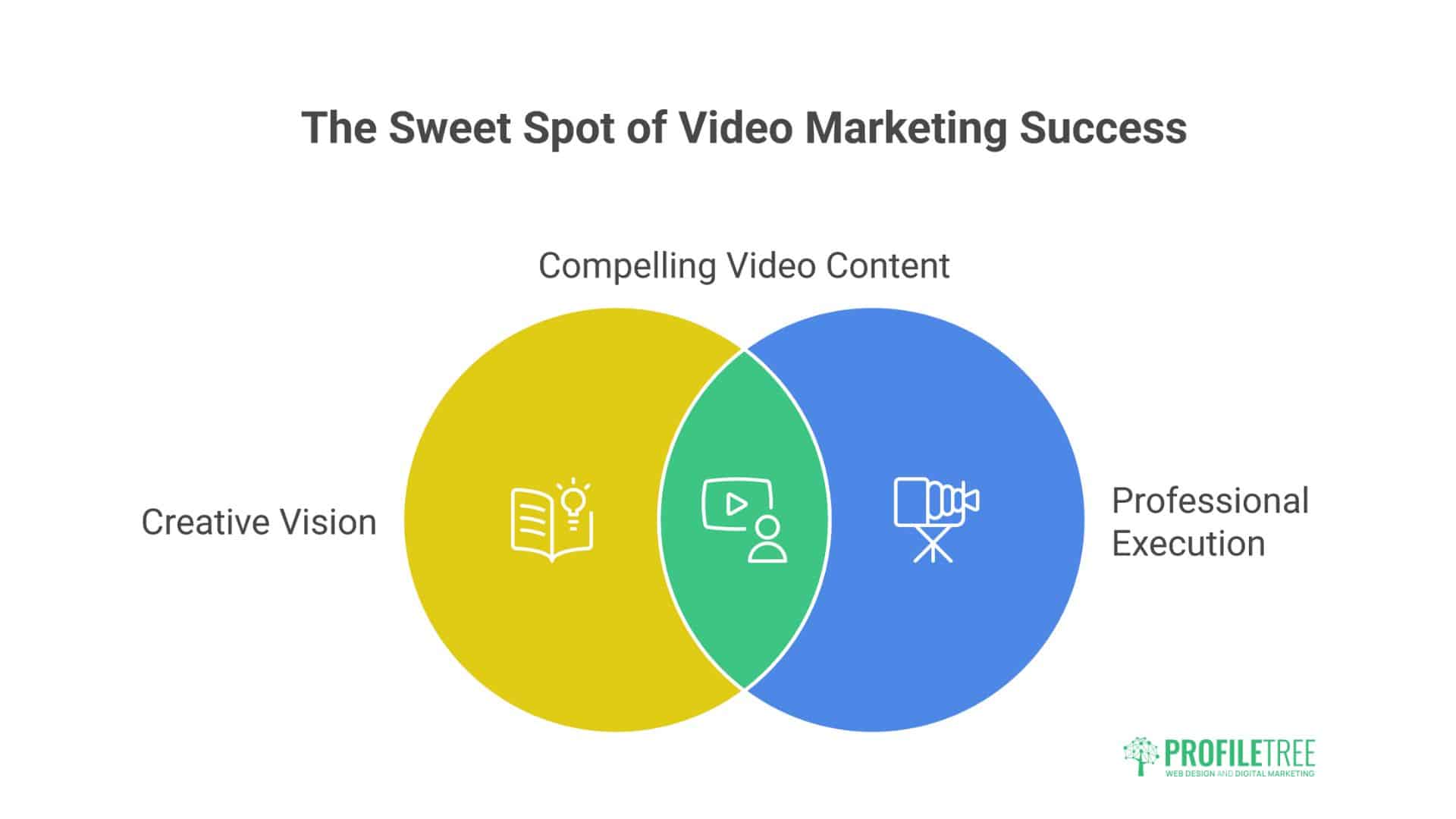
Creating compelling video content requires balancing creative vision with practical execution. The most successful video marketing campaigns combine persuasive storytelling with professional production techniques that engage audiences and drive results.
Equipment and Setup Considerations
Modern video production has become increasingly accessible, but understanding fundamental equipment needs helps you make informed decisions about your production approach.
- Camera Equipment: Today’s smartphones can produce excellent video quality suitable for most business applications. However, dedicated cameras offer greater control over lighting, focus and audio quality. Choose equipment that matches your budget and technical expertise level.
- Audio Quality: Poor audio quality destroys even the most visually appealing videos. Invest in external microphones for interviews, presentations, and spoken dialogue content. Clear audio is more important than perfect visual quality for audience engagement.
- Lighting Setup: Proper lighting dramatically improves video quality regardless of the camera equipment. Natural lighting works well for many applications, while simple LED panels provide consistent results for indoor shooting.
- Editing Software: Numerous editing options exist for different skill levels and budgets. Free options like DaVinci Resolve offer professional capabilities, while subscription services like Adobe Premiere Pro provide advanced features and regular updates.
Content Planning and Scripting
Successful videos begin with thorough planning and scripting that aligns with your marketing objectives and audience needs.
- Script Development: Create detailed scripts that include dialogue, visual cues, and timing considerations. Outline scripts that maintain focus and messaging consistency are also beneficial for informal videos.
- Storyboarding: Visual planning helps identify potential production challenges and captures all necessary shots during filming. Simple sketches or digital storyboards guide efficient shooting schedules.
- Call-to-Action Integration: Plan specific calls to action that align with your marketing goals. Clear CTAS drive measurable results, whether requesting contact information, encouraging website visits, or promoting product purchases.
Filming Techniques for Business Content
Professional-looking business videos don’t require Hollywood-level expertise, but understanding basic filming principles improves results significantly.
- Composition Rules: Follow basic composition guidelines like the rule of thirds to create visually appealing shots. Proper framing keeps the viewer’s attention focused on essential content elements.
- Multiple Angles: Capture content from different perspectives to maintain visual interest during editing. Multiple angles also provide backup options if technical issues affect primary shots.
- B-Roll Footage: Supplementary footage supports the main content while providing editing flexibility. A b-roll can include product shots, office environments, customer interactions, or relevant industry imagery.
Post-Production and Editing
Effective editing transforms raw footage into polished, engaging content that serves your marketing objectives.
- Pacing and Flow: Maintain appropriate pacing that matches your content type and audience expectations. Educational content may require slower pacing for information absorption, while promotional videos benefit from dynamic, energetic editing.
- Graphics and Text: Add professional graphics, lower thirds and text overlays that reinforce key messages and provide additional information. Consistent branding elements strengthen brand recognition.
- Music and Sound Effects: Background music and sound effects enhance emotional impact and maintain viewer engagement. Choose royalty-free music that matches your brand personality and content tone.
Performance Analytics Guide
Measuring video marketing success requires tracking specific metrics that align with your business objectives. Understanding performance data enables you to optimise future content and demonstrate return on investment to stakeholders.
Essential Video Marketing Metrics
View Count measures the total number of times your video has been viewed across all platforms. While necessary for awareness campaigns, view count alone doesn’t indicate engagement quality or business impact.
Play Rate calculates the percentage of people who played your video divided by the number of impressions received. Higher play rates indicate compelling thumbnails and titles that encourage viewing.
Conversion Rate measures visitors who completed desired actions divided by total video views. This metric directly connects video performance to business outcomes like leads, sales or sign-ups.
Click-Through Rate tracks how often viewers click your call-to-action buttons, divided by total views. Strong CTRs indicate effective messaging and compelling offers.
Video Completion Rate shows how many viewers watched your entire video, divided by the total viewers who started watching. High completion rates suggest engaging content that holds attention.
Engagement Metrics include likes, shares, comments and social media interactions. These metrics indicate content quality and audience connection levels.
Website Behaviour Changes measure how video affects overall website performance, including time on page, bounce rate and pages per session.
Platform-Specific Analytics
Different platforms provide varying analytics capabilities and audience insights that inform your video marketing strategy.
YouTube Analytics offers comprehensive data, including audience demographics, traffic sources, audience retention graphs and revenue metrics for monetised content. Use this data to optimise future content and understand audience preferences.
Social Media Insights from Facebook, Instagram, LinkedIn and Twitter provide platform-specific engagement data and audience demographics. Each platform’s analytics help you tailor content for specific audiences.
Website Analytics through Google Analytics tracks how embedded videos affect website performance, including goal completions, e-commerce transactions and user behaviour flow.
ROI Measurement and Reporting
Calculating return on investment for video marketing requires connecting video metrics to business outcomes and financial results.
Cost Analysis includes production expenses, platform advertising costs, staff time and equipment investments. Accurate cost tracking enables precise ROI calculations.
Revenue Attribution connects video views and engagement to sales, lead generation, and customer acquisitions. Tracking codes, dedicated landing pages, and customer surveys measure direct impact.
The long-term Value Assessment considers how video content contributes to brand awareness, customer retention, and lifetime value beyond immediate conversions.
Common Challenges
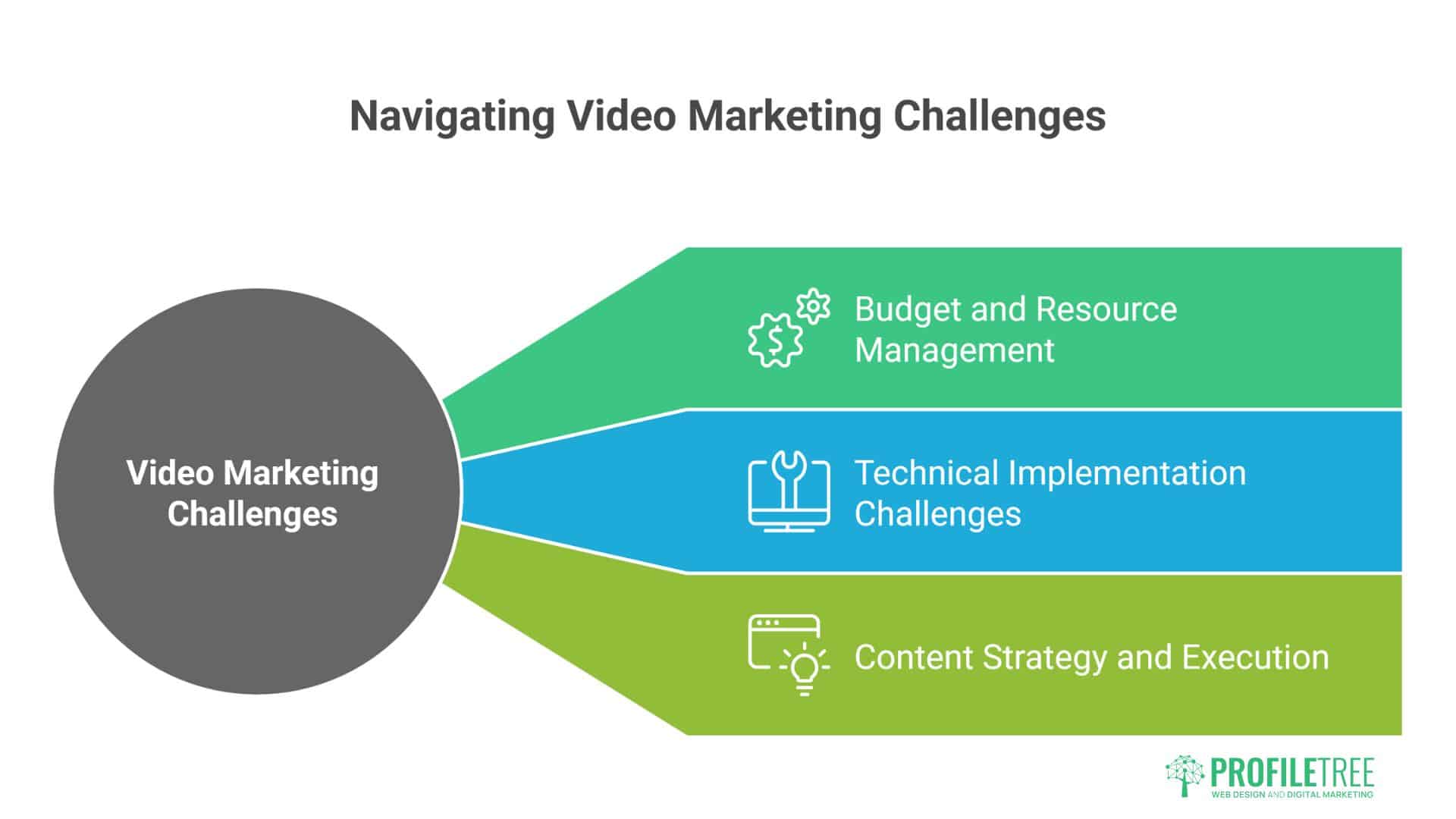
Video marketing success requires addressing common obstacles businesses encounter during implementation and optimisation.
Budget and Resource Management
Production Costs can escalate quickly without proper planning and budget management. Equipment expenses, editing software subscriptions and skilled personnel costs require careful consideration and realistic budget allocation.
Ongoing Content Creation demands consistent resource investment for sustained success. Many businesses underestimate the time and effort required for regular video content production and promotion.
Skills and Expertise development takes time and investment. Whether training internal teams or hiring external professionals, building video marketing capabilities requires strategic planning and budget allocation.
Technical Implementation Challenges
File Size and Loading Speed affect website performance and user experience. Large video files can slow page loading times, increasing bounce rates and negatively impacting search engine rankings.
Platform Optimisation requires understanding different technical requirements for various platforms and devices. Video formats, dimensions and compression settings vary across platforms, demanding technical expertise.
Mobile Responsiveness is crucial since most video consumption occurs on mobile devices. Videos must display correctly and load quickly across different screen sizes and connection speeds.
Content Strategy and Execution
Consistency Challenges arise when businesses struggle to maintain regular content publication schedules. Inconsistent posting reduces audience engagement and weakens marketing impact.
Message Clarity requires balancing entertainment value with clear business messaging. Videos must engage audiences while communicating key business information and calls to action.
Audience Targeting becomes complex when businesses serve diverse customer segments with different preferences and needs. Creating content that appeals to various audience segments while maintaining brand consistency requires careful planning.
Getting Started with Video Marketing
Your first video marketing campaign might not achieve perfect results immediately, but starting with a solid foundation positions you for long-term success.
- Start Small: Begin with simple formats like customer testimonials or product demonstrations before attempting complex productions.
- Quality over Quantity: One well-produced video that effectively serves your audience beats multiple low-quality videos that fail to engage.
- Test and Optimise: Use analytics to understand what works. Experiment with different video types, lengths and platforms to identify optimal approaches.
- Integrate with Existing Marketing: Coordinate video content with email campaigns, social media and website updates for maximum impact.
Video marketing will be one of the most powerful tools for business growth in 2025. Success requires strategic planning, consistent execution, and continuous optimisation. Remember that authenticity and value delivery matter more than perfect production quality—focus on serving your customers’ needs while showcasing your expertise.
The future of business communication is visual, immediate and personal. Video marketing provides the perfect medium to connect with customers, demonstrate value and drive business growth in an increasingly competitive digital marketplace.
Ready to Transform Your Business with Video Marketing?
Don’t let competitors capture your customers’ attention with compelling video content. At ProfileTree, we’ve helped businesses across Northern Ireland, Ireland, and the UK achieve measurable results—from 300% increases in website engagement to doubling conversion rates.
Our video marketing service includes strategic planning, professional production, technical integration, SEO optimisation, and performance tracking.
Take the first step towards video marketing success. Contact ProfileTree today for a free consultation.
Get Your Free Video Marketing Consultation →
Call us on 028 9568 0364 or email hello@profiletree.com